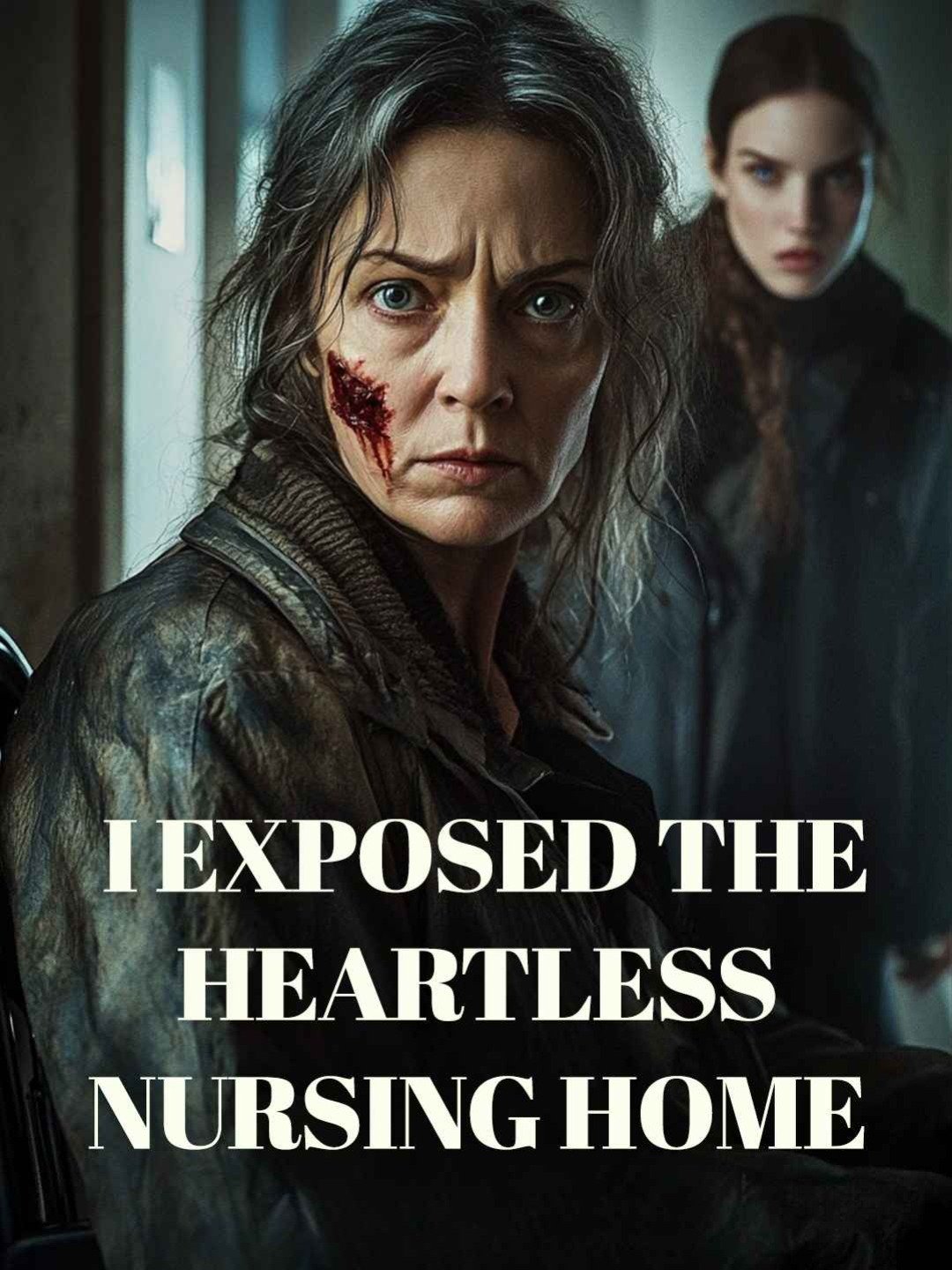
On the second Christmas and Mother's Day since I began closed research at a national security agency, I requested a video call with my mother, Malia Frazier. "Bryson, when are you coming back?" Malia asked. I noticed that Malia had aged considerably, and what upset me more was the bruise at the corner of her eye. Looking closer, I saw she was wearing old clothes, and her hair was thin and gray. Just as I was feeling concerned, I received a message from the caregiver Thea asking for money. She said Malia needed a new wheelchair, costing $200,000. But Malia had never had problems with her legs, so why would she suddenly need a wheelchair? I called the nursing home, but the director impatiently said it was normal for elderly people to need wheelchairs at Christmas time. Sensing something was wrong, I pulled some strings to access the nursing home's surveillance footage, and what I saw filled me with rage. I returned to my dorm from the lab and quickly called Malia. "Bryson, when are you coming back? I miss you." Seeing Malia's red eyes on my phone screen, I felt instant guilt. Malia had raised my sister and me on her own, and now I couldn't personally take care of her because I was busy with work.
Watch All FreeLimited-time free event: This free viewing activity is jointly launched by ReelShort and FreeDrama. Click the button to download the APP and watch all episodes of I exposed the heartless nursing home for free.
This gripping short film opens with raw, intimate vulnerability—Bryson’s video call with his aging mother, Malia, reveals not just time’s toll but subtle, chilling signs of neglect: a suspicious bruise, worn clothes, thinning hair. Unlike typical melodramatic tropes, the tension builds through quiet observation and emotional restraint, making the eventual discovery all the more devastating. The realism in dialogue and pacing grounds the story in lived experience—not fantasy, but a hauntingly plausible reality.
What sets I exposed the heartless nursing home apart is its critique of institutional exploitation masked as care. While many short dramas rely on villainous caricatures, this one implicates bureaucracy, silence, and normalized indifference—the director’s flippant “it’s normal at Christmas” line cuts deeper than any shout. Bryson’s access to surveillance footage isn’t a plot convenience; it symbolizes the privilege required to uncover truth, underscoring how invisible abuse remains for those without resources.
The moral weight rests not only on the nursing home but on Bryson himself—his national security work isolates him from the very person who sacrificed everything for him. His guilt isn’t melodramatic; it’s quiet, persistent, human. That duality elevates I exposed the heartless nursing home beyond thriller conventions into poignant social commentary. It asks: What does protection truly mean—and who bears the cost when duty divides us from love?
Experience this powerful, socially resonant story firsthand—download the FreeDrama App today.
I exposed the heartless nursing home moves at a fast pace, with plot twists in every episode. Highlights and surprises keep you hooked. Watching on ReelShort APP, playback is smooth and transitions seamless, making binge-watching a joy.
I exposed the heartless nursing home moves at a fast pace, with plot twists in every episode. Highlights and surprises keep you hooked. Watching on ReelShort APP, playback is smooth and transitions seamless, making binge-watching a joy.
I exposed the heartless nursing home is not just a short drama, but a mirror reflecting life's joys and sorrows. Clever plot arrangements make every choice resonate and provoke reflection. Watching on ReelShort inspires deep thought alongside entertainment.
Limited-time free event: This free viewing activity is jointly launched by ReelShort and FreeDrama. Click the button to download the APP and watch all episodes of I exposed the heartless nursing home for free.