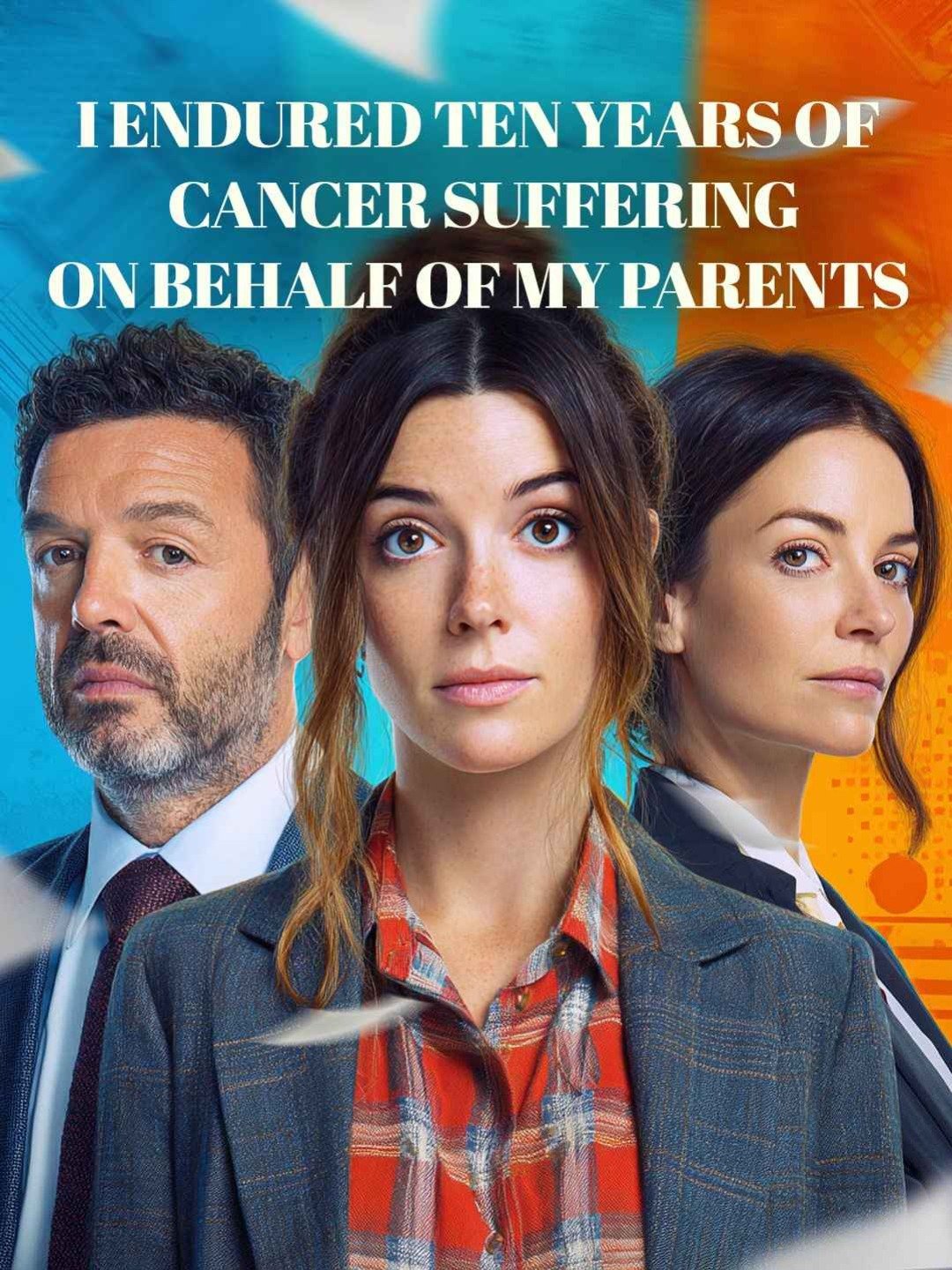
The day the pain transfer system was legalized, I, Jasmine Lynch, didn't hesitate to transfer my parents' cancer onto myself. After they returned from their world tour, my mom Gianna Lynch pouted with displeasure written all over her face. She said, "You're really scheming. Just to earn a reputation for being filial, you took on all the illness and drove Winona away." Winona Lynch, my younger sister. Ever since the pain transfer policy was implemented, she had completely disappeared. I froze for a moment, the smile on my face solidifying. But Gianna grew more agitated: "You rushed to bind the system with us first, didn't you? Just to make her look unfilial! Sure, you've suffered these past few years, but at the end of the day, you brought it on yourself. You're nowhere near as considerate as Winona, always walking around with that long face, guilt-tripping us. It's so annoying!" I felt like I'd fallen into an ice pit, unable to believe what I was hearing. Just then, the system's voice echoed in my ears. 【Do you choose to terminate the pain transfer system?】
Watch All FreeLimited-time free event: This free viewing activity is jointly launched by ReelShort and FreeDrama. Click the button to download the APP and watch all episodes of I endured ten years of cancer suffering on behalf of my parents for free.
This isn’t your typical “suffering daughter saves family” short drama. I endured ten years of cancer suffering on behalf of my parents subverts expectations by making filial sacrifice deeply ambiguous—less noble duty, more psychological trap. Jasmine’s self-inflicted pain becomes a weapon wielded against her sister and a source of resentment, not gratitude. The system isn’t magic—it’s bureaucracy with teeth, exposing how policy can distort love into performance.
Where most short dramas erase the “unfilial” sibling as a flat villain, this one renders Winona’s absence hauntingly real—not evil, but erased by systemic bias. Her disappearance isn’t plot convenience; it’s consequence. The narrative refuses to let Jasmine be a pure martyr or Gianna a cartoonish narcissist. Their conflict breathes with uncomfortable realism: guilt, entitlement, and the quiet violence of emotional accounting in a world where pain is transferable—and tradable.
Unlike fast-paced, resolution-driven peers, I endured ten years of cancer suffering on behalf of my parents lingers in the silence *after* the system’s prompt: “Do you choose to terminate the pain transfer system?” No easy answer. No catharsis—just ice-cold ambiguity. That refusal to soothe is its genius. It asks not “Would you suffer for family?” but “What happens when your sacrifice becomes their justification?” Download now to experience storytelling that unsettles, then stays.
FreeDrama AppI endured ten years of cancer suffering on behalf of my parents moves at a fast pace, with plot twists in every episode. Highlights and surprises keep you hooked. Watching on ReelShort APP, playback is smooth and transitions seamless, making binge-watching a joy.
I endured ten years of cancer suffering on behalf of my parents moves at a fast pace, with plot twists in every episode. Highlights and surprises keep you hooked. Watching on ReelShort APP, playback is smooth and transitions seamless, making binge-watching a joy.
I endured ten years of cancer suffering on behalf of my parents is not just a short drama, but a mirror reflecting life's joys and sorrows. Clever plot arrangements make every choice resonate and provoke reflection. Watching on ReelShort inspires deep thought alongside entertainment.
Limited-time free event: This free viewing activity is jointly launched by ReelShort and FreeDrama. Click the button to download the APP and watch all episodes of I endured ten years of cancer suffering on behalf of my parents for free.